Yasmitha Keerththanan
Yasmitha Keerththanan is a London-based illustrator. Her work comes from personal experience and everyday life, particularly around migration, care, and working while studying. Balancing university with part-time work and family responsibilities has had a strong influence on the way she approaches storytelling and image making.
She is interested in creating illustrations that focus on mood, emotion, and quiet moments. Her work often combines cinematic compositions with strong contrast and colour, taking inspiration from books, films, and observation. Themes of identity, memory, and human connection appear throughout her practice, often through character-based scenes and narrative imagery.
Keerththanan is especially interested in editorial illustration, book cover design, and storytelling through images. Her aim is to create work that feels personal, reflective, and open-ended.
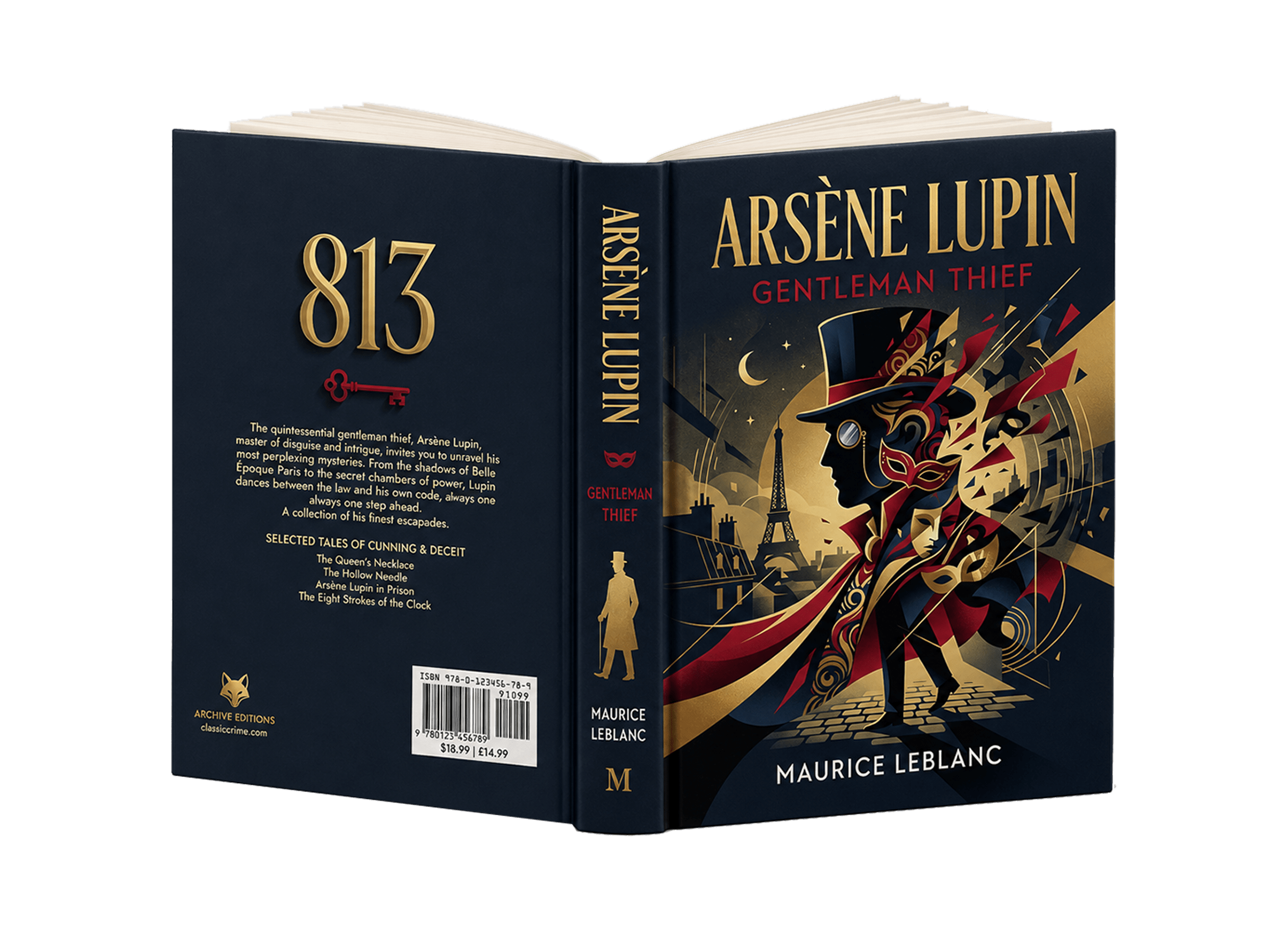
Book Cover Illustration Project – Arsène Lupin created by Maurice Leblanc in 1905, a gentleman thief defined by intelligence, charm, and mastery of disguise. Unlike traditional crime narratives, Lupin operates as both criminal and performer, using wit and theatricality to manipulate perception and outsmart authority. This project approaches Lupin through an editorial illustration framework, focusing on visual storytelling rather than direct narrative retelling.
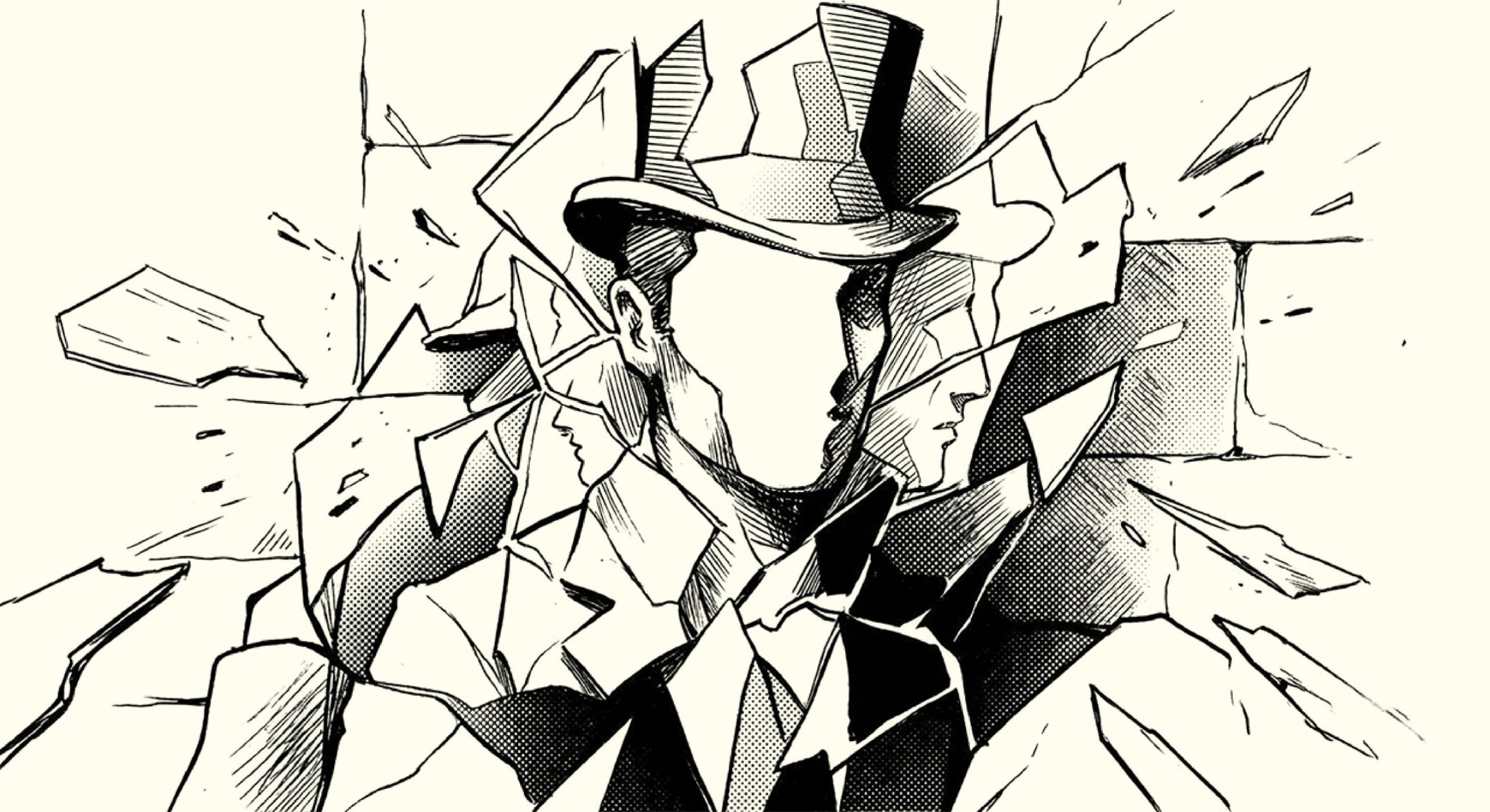
Arsène, Broken Facade – The concept is developed around identity as a constructed facade. Lupin is represented through fragmentation, absence, and transformation rather than a fixed form.
Visual strategies such as layering, mirroring, and negative space are used to express duality and shifting identity.
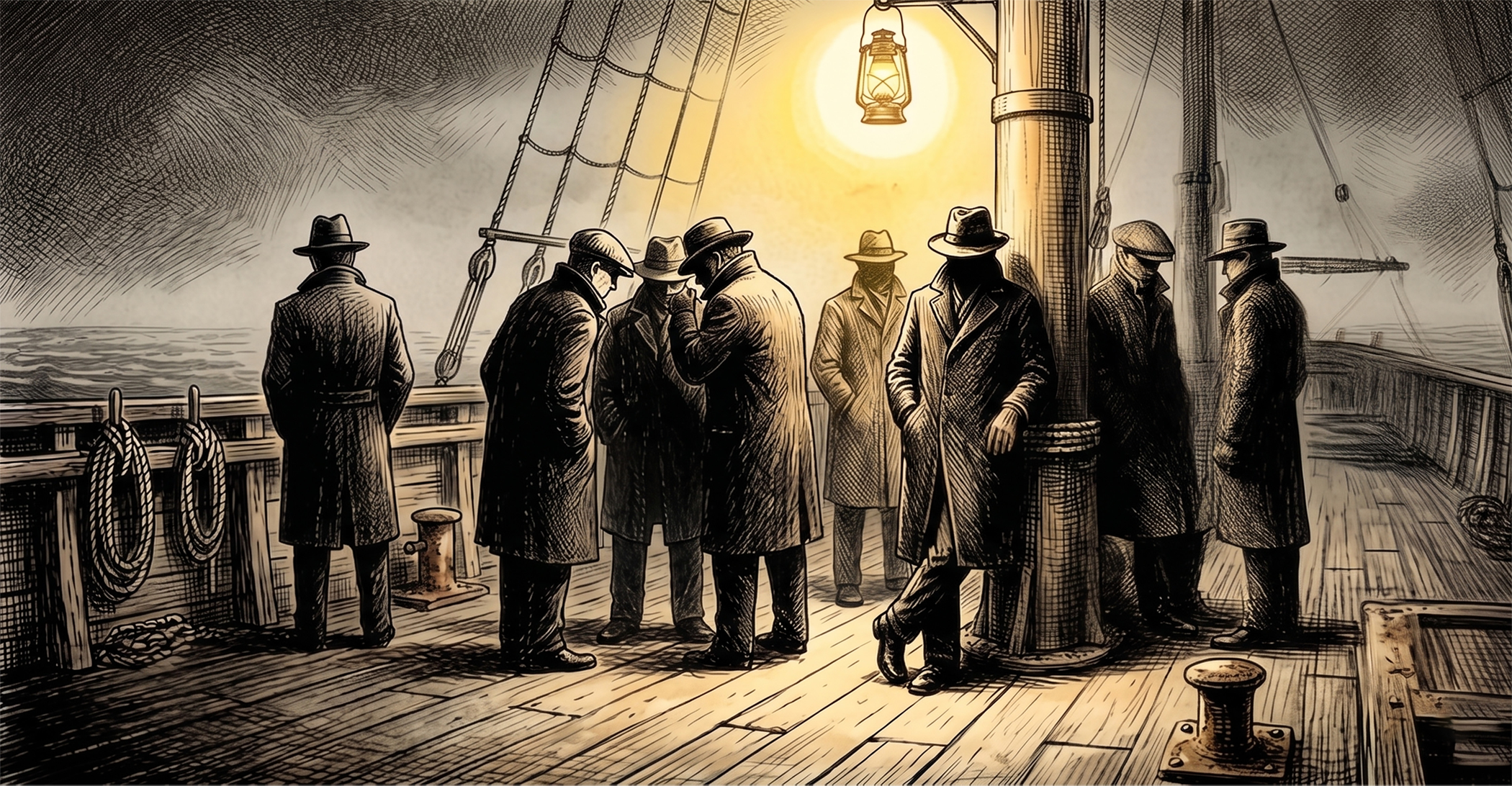
Suspicion in a Shared Environment – Tested grouped figures to create ambiguity, multiple similar silhouettes suggested uncertainty and interchangeable identity.
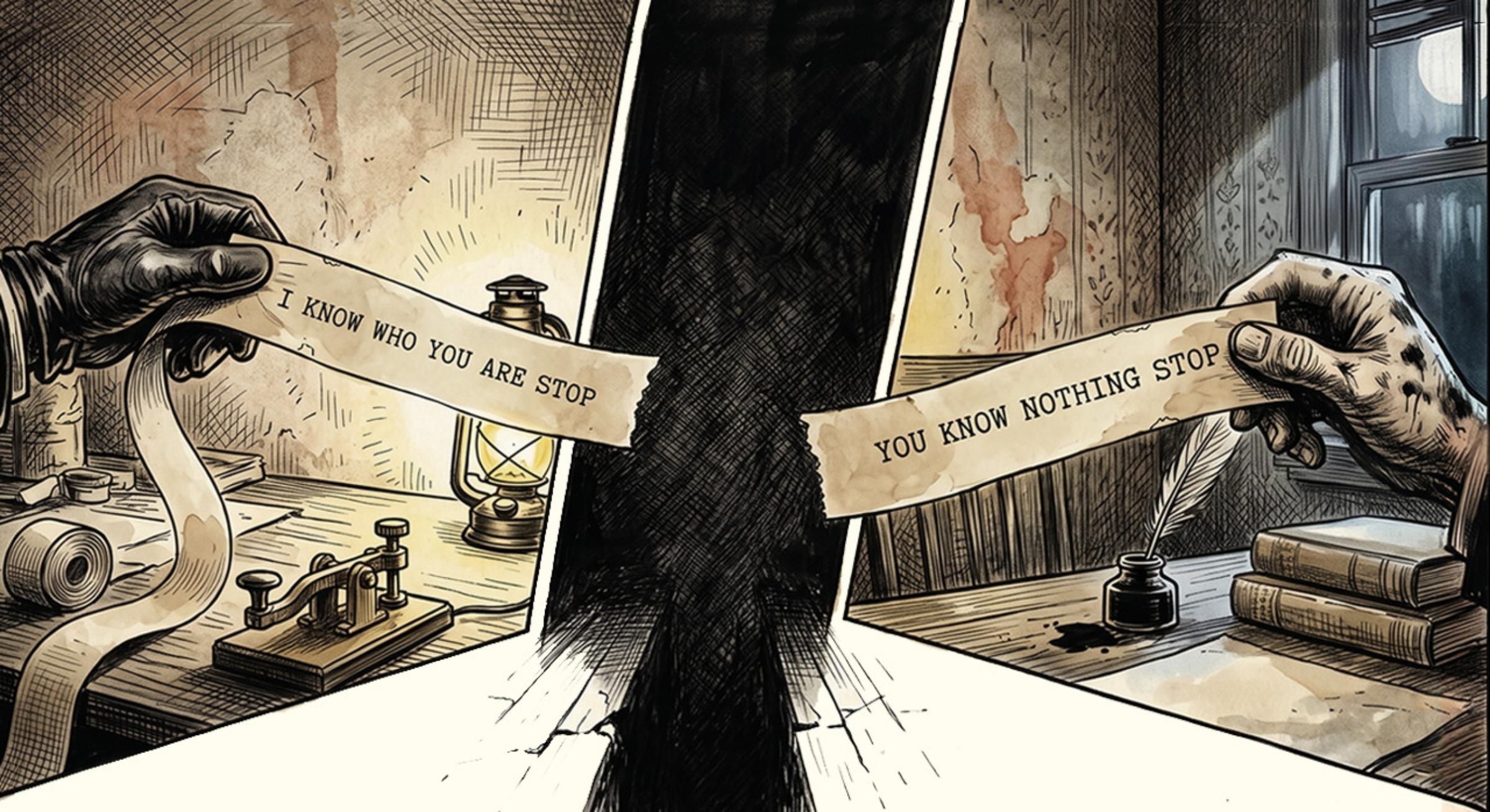
Telegram Scene Conflict through information – Conflict through information